Clipcompasspurepixls Alpine Folio
Inquire
Expedition Log Identification Guide Habitat & Mountain Scree Life Cycle & Adaptations Conservation & Ecology Field Office & Contact Privacy Policy Terms of Service Cookie Policy
ORDER: Malpighiales FAMILY: Violaceae GENUS: Viola L. SECTION: Melanium DC.

Species Identification & Floral Diagnostics

The Sierra Nevada Violet (*Viola crassiuscula*) is distinguishable by its prostrate, tufted habit, intensely thickened sub-succulent leaves, and remarkable chromatic variance across its five-petaled zygomorphic blossoms.

Diagnostic Anatomical Breakdown

Field Reference Code: DIA-SN-VIO-001 • Type Locality: Mulhacén Glacial Cirque

Floral Architecture

Petal Geometry & Coloration

Corolla 15–25 mm across, strongly zygomorphic. The upper two petals typically display rich deep violet to lilac coloration; the lateral pair are paler with subtle bearded throats; the lower basal petal is distinctively broad, white or pale cream with deep violet nectar veins guiding insect visitors toward a prominent yellow eye.

Nectar Spur & Calyx

Spur measures 3–5.5 mm in length, obtuse, slightly curved upward, extending beyond the calycine appendages. Sepals are lanceolate, obtuse to acute, with small denticulate basal appendages.

Reproductive Apparatus

5 stamens closely appressed to the pistil, the lower two bearing dorsal appendages extending into the nectar spur. Stigma is capitate, bent anteriorly with a receptive orifice shielded from direct torrential rain.

Vegetative & Root Structures

Foliage & Texture

Leaves are 8–22 mm long, spatulate to obovate, conspicuously thickened (hence *crassiuscula*, meaning somewhat thickened), fleshy, glabrous or sparsely puberulent. Leaf margins are entire or weakly crenate with a distinct petiole exceeding the blade length.

Subterranean Rhizome System

Features a deeply penetrating vertical taproot accompanied by slender, highly flexible subterranean stoloniferous branches that wind between subterranean rocks, allowing vegetative re-emergence if gravel layers slide during solifluction events.

Plant Stature & Dimension

Dwarf perennial, forming low-lying rosettes 3 to 7 cm in height. Forms compact cushions or loose scree clusters spreading 10 to 30 cm across rock fissures.

Associated Alpine Taxonomic Studies

Examine how Viola crassiuscula co-exists with other highly specialized summit endemics of the Betic mountain belt.

PLATE SEC-02 SUBSTRATE DYNAMICS
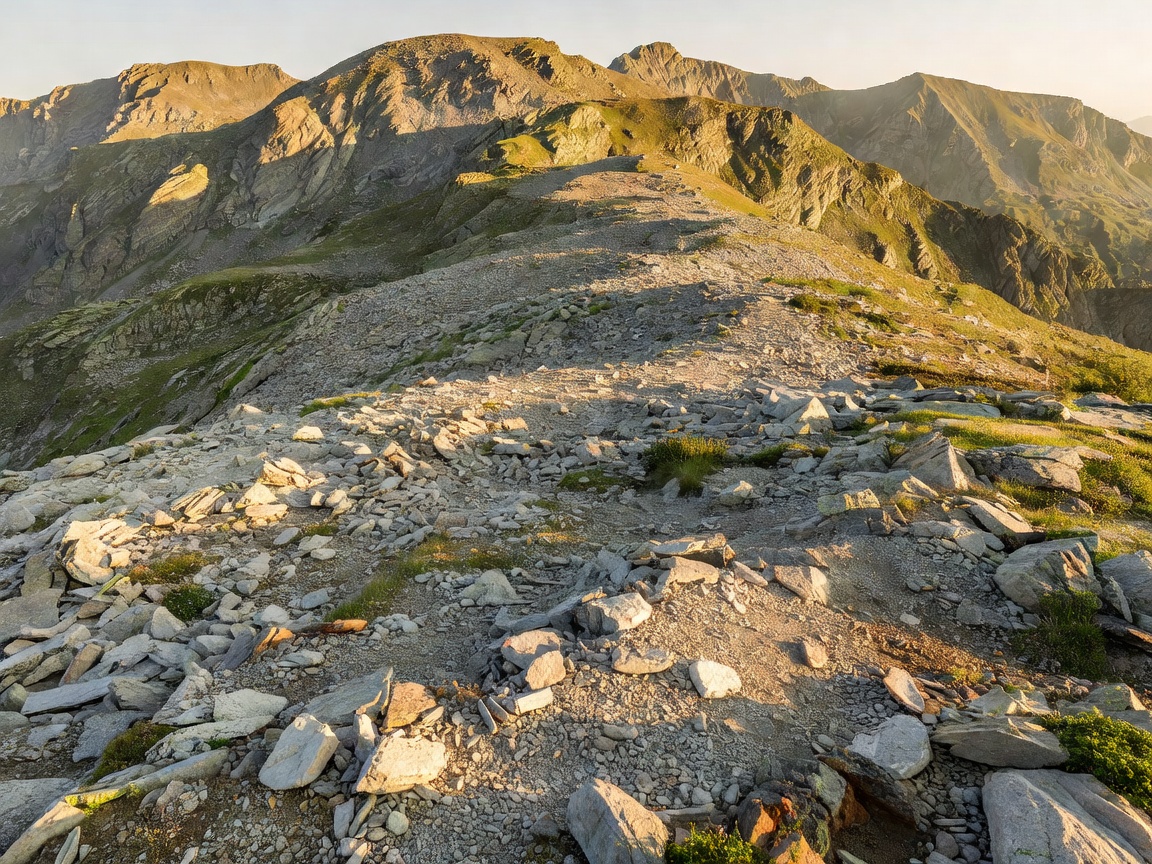
Mountain scree landscape showing geologic substrate and shale fragmentation

Scree Mechanics & Habitat

Learn about the mobile shale and micaschist matrices known as cascajares that form the singular substrate for this flower's survival.

View Habitat Folio →
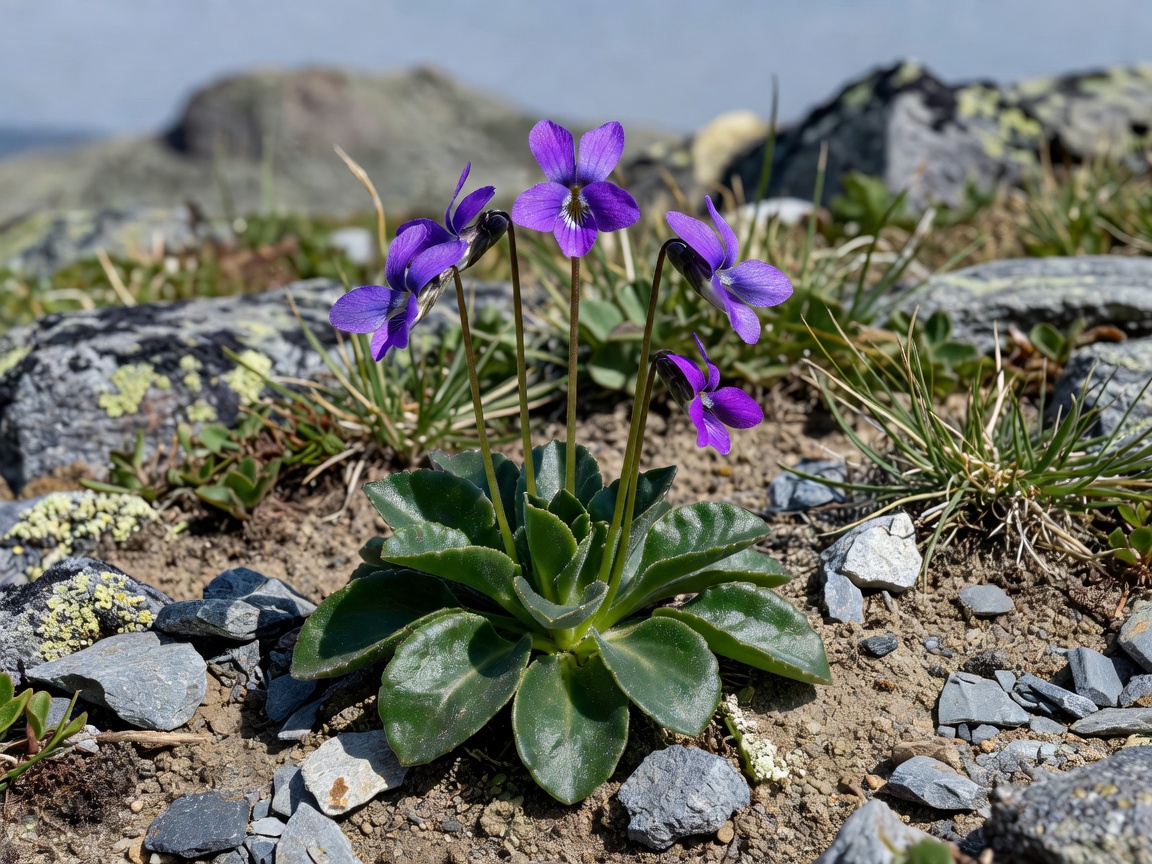
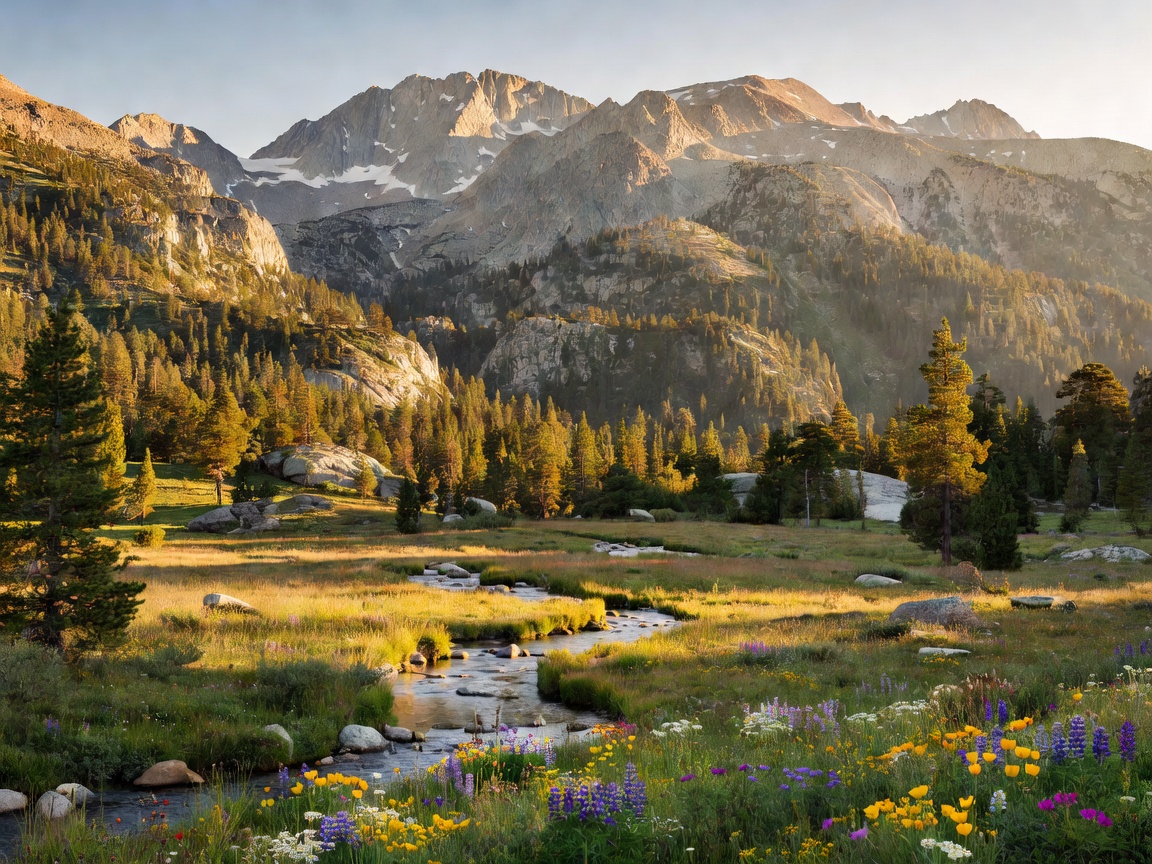
PLATE SEC-03 PHENOLOGY CYCLE
Alpine flower growing under harsh atmospheric conditions at high elevation

Seasonal Phenology & Growth

An in-depth timetable detailing snowmelt awakening, rapid blooming periods, and seed maturation prior to early autumn freezes.

View Life Cycle Folio →
PLATE SEC-04 MONITORING EFFORTS
Protected mountain summit in national park sanctuary

Park Conservation Status

Investigate ongoing monitoring programs, high-elevation temperature loggers, and ex-situ conservation projects in Andalusia.

View Conservation Folio →