Clipcompasspurepixls Alpine Folio
Specimen Index
Expedition Log Identification Guide Habitat & Mountain Scree Life Cycle & Adaptations Conservation & Ecology Field Office & Contact Privacy Policy Terms of Service Cookie Policy
CATALOGUE: SN-BOT-1892 LOCATION: Sierra Nevada National Park, Andalusia, Spain ALTITUDE: 2,800m – 3,450m a.s.l. STATUS: High-Alpine Scree Specialist
Rare Flora of the Iberian Peninsula

Sierra Nevada Violet

Viola crassiuscula Bory (1824)

Surviving upon the highest crumbling micaschist scree slopes (*cascajares*) of Spain’s Sierra Nevada, Viola crassiuscula is among Europe’s most resilient alpine jewels. Isolated since the retreat of the Quaternary glaciers, it anchors itself against relentless winds, solar radiation, and shifting stones at elevations surpassing 3,000 meters.

HABITAT STRATA Crioromediterranean Scree
PEAK FLOWERING July – Early August
CONSERVATION Vulnerable (IUCN / Spain)
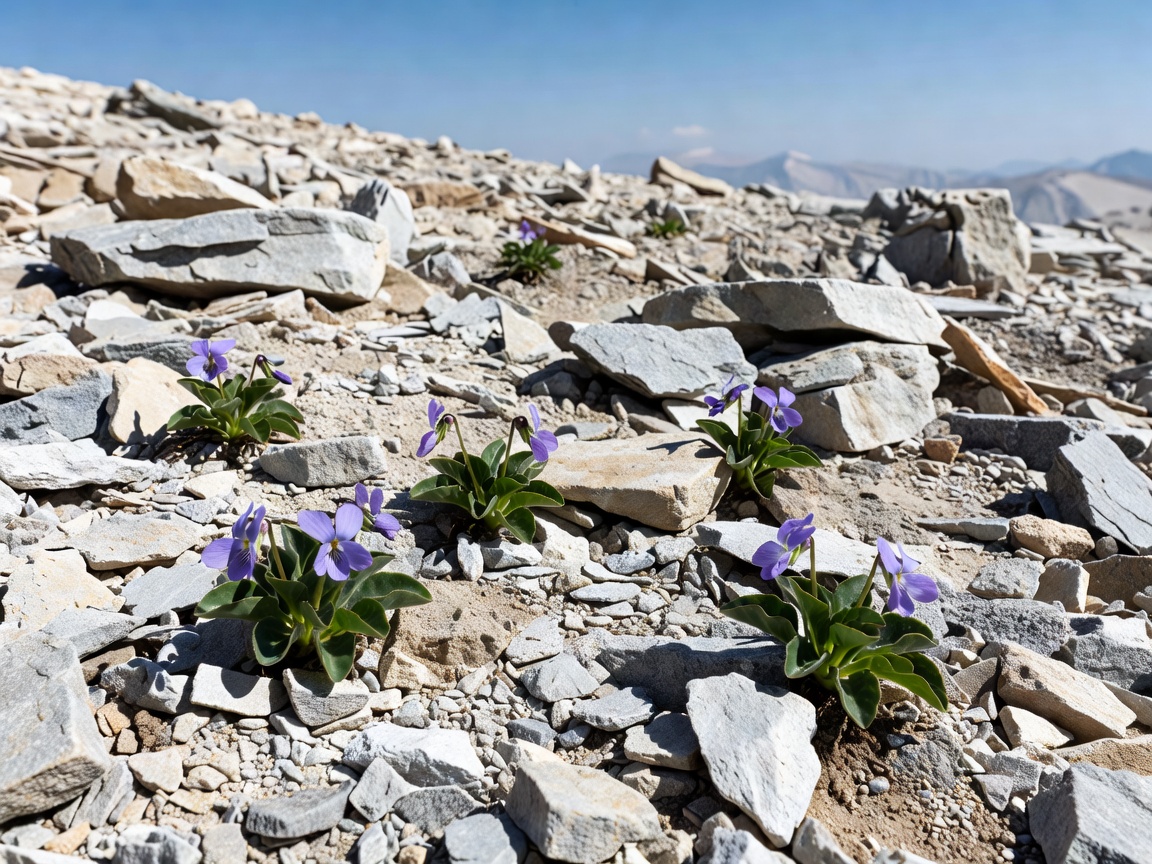
Viola crassiuscula growing amongst high altitude rocky scree in the Sierra Nevada mountains
Five-petaled zygomorphic corolla
Nectar spur (3-5mm)
Micaschist scree anchor taproot
Botanical Investigation Dossiers

The High Alpine Field Records

Each observation dossier contains comprehensive primary literature, photographic vouchers, morphology diagnostics, and geographic range assessments recorded across the Veleta and Mulhacén peaks.

FOLIO SEC-01 ANATOMICAL DIAGNOSTICS
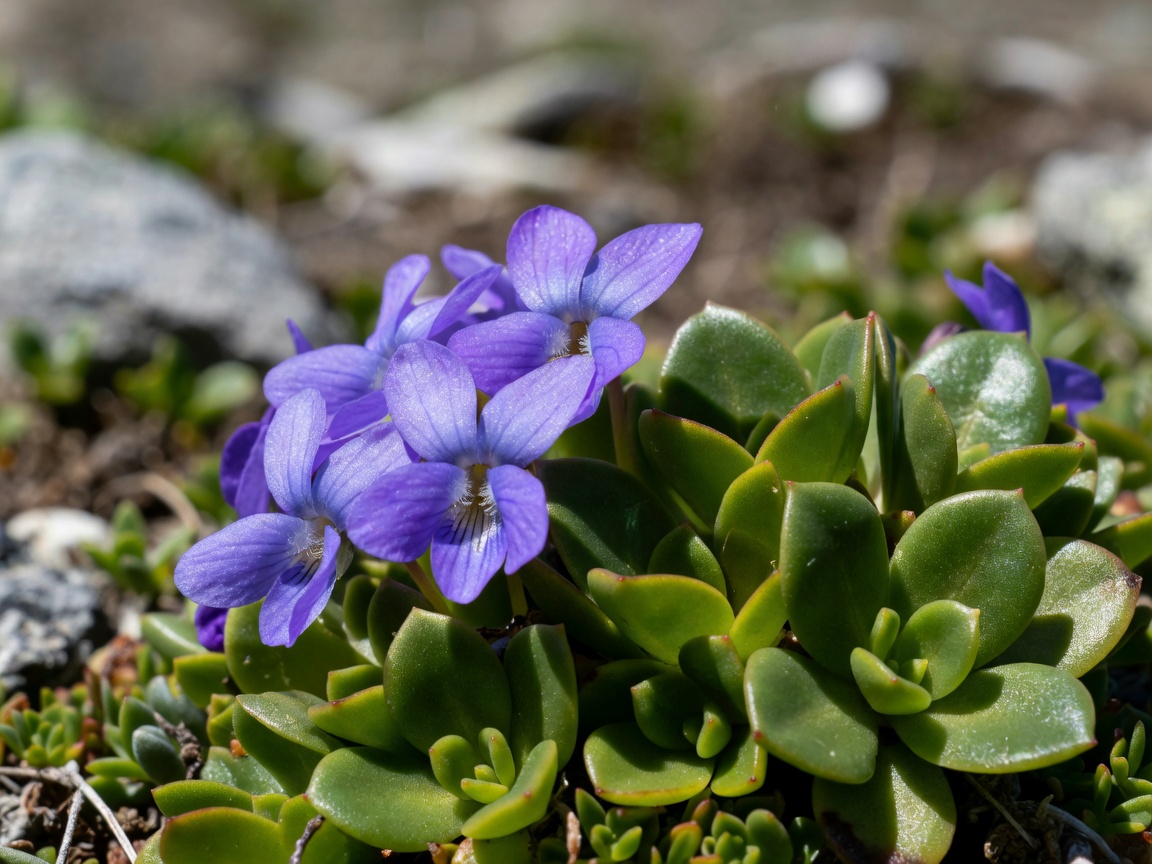
Close-up botanical alpine study of violet petals and fleshy succulent foliage 3,120M TRANS

Morphology & Identification

Detailed taxonomic breakdown of petal venation, fleshy spatulate leaves, deep purple-to-lilac color transitions, and subterranean stolon systems adapted to shifting stones.

Read Identification Folio
FOLIO SEC-02 ECOLOGICAL NICHE
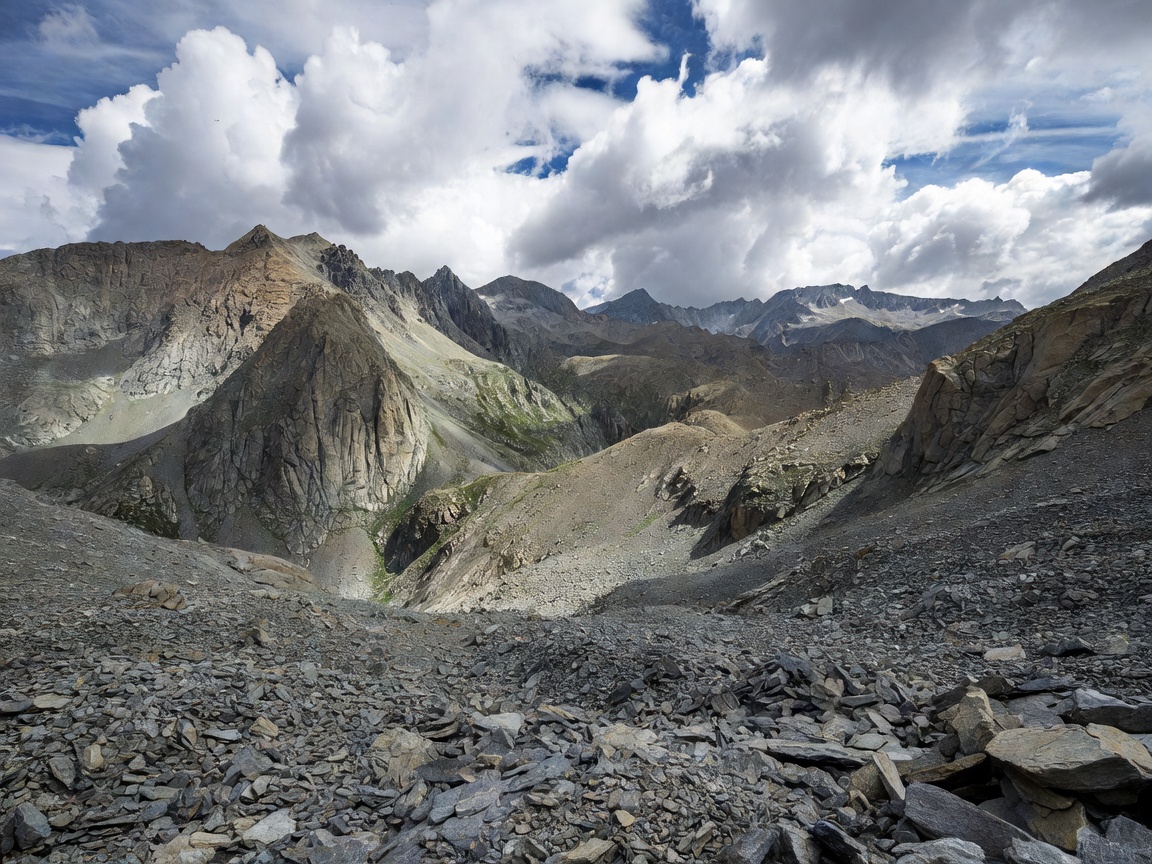
Glacial scree and rocky mountain slopes of Sierra Nevada Spain under dramatic alpine sky 2,900–3,450M

The Cascajares Habitat

Exploration of the mobile micaschist and quartz-rich scree slopes. How constant rock shifts, seasonal snowbeds, and extreme daily thermal swings shape micro-topography.

Examine Habitat Study
FOLIO SEC-03 PHENOLOGY & SURVIVAL
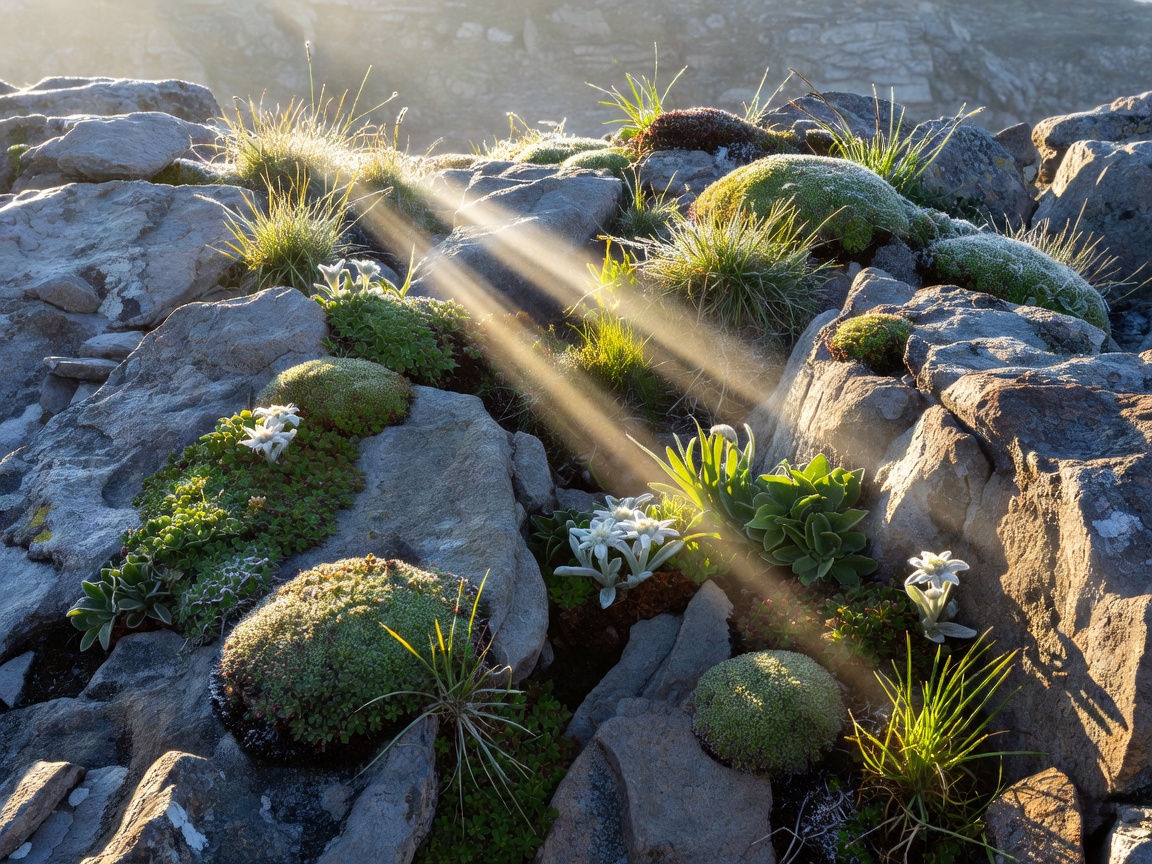
Sunlight breaking across high mountain rocks showing alpine plant adaptations PHENOLOGY 2026

Adaptations & Life Cycle

From subterranean overwintering to an explosive six-week bloom cycle. Explore deep root systems exceeding 1 meter in depth and high-solute cellular anti-freeze mechanisms.

Explore Life Cycle Data
FOLIO SEC-04 STEWARDSHIP & RISKS
Mountain national park sanctuary showing rugged wilderness and conservation boundary PROTECTED REGIME

Conservation & Future Horizons

Assessing the escalating threats of thermal migration, diminished snowfall, and recreational path erosion on endemic summit flora within Sierra Nevada National Park.

Review Conservation File
Elevation Transect Study

Vertical Zonation of Sierra Nevada Flora

In the Betic Cordillera, thermal gradients create stacked ecological levels. Viola crassiuscula occupies the supreme summit belt, known as the Crioromediterranean zone, where tree growth is strictly impossible and bare rock accounts for over 90% of the surface area.

"On the dizzying ledges below Pico de Veleta (3,398m), the purple corollas of Viola crassiuscula pierce through gray gravels, testifying to botanical endurance under severe climatic adversity."
3,000m – 3,479m (Crioromediterranean) Viola crassiuscula Zone
2,200m – 2,900m (Oromediterranean) Juniper & Cytisus Shrub
1,600m – 2,200m (Supramediterranean) Pyrenean Oak & Pinus
800m – 1,600m (Mesomediterranean) Holm Oak & Wild Olive