PLATE SEC-01
ANATOMICAL DIAGNOSTICS
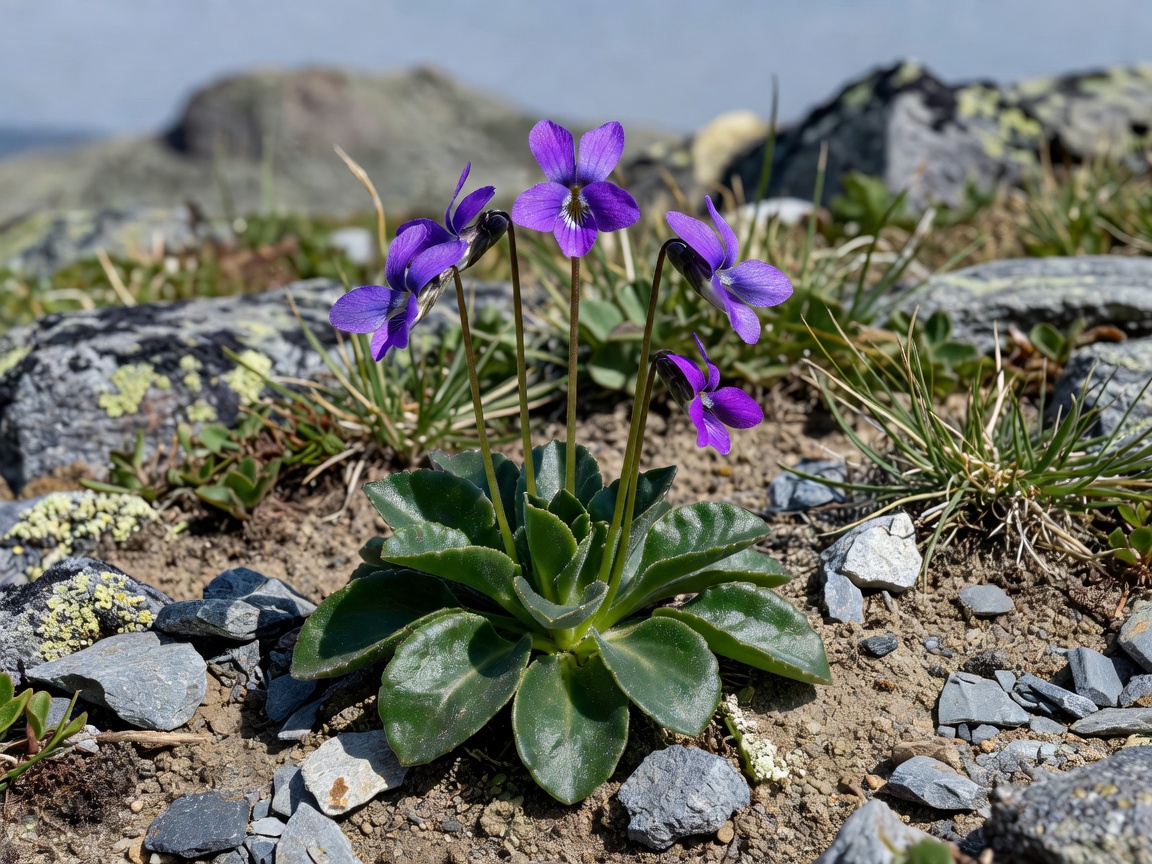
Species Identification Guide
Examine the morphological petal characteristics, nectar spur orientation, and diagnostic fleshy foliage.
Review Identification →The physical environment of Viola crassiuscula is characterized by unstable dark metamorphic rocks, profound annual cryoturbation, severe gale-force wind sweeps, and intense Mediterranean summer drought.
In the upper cirques of the Sierra Nevada, the geological setting is dominated by dark Paleozoic micaschists and quartz-rich graphite schists. Over millennia of intense freeze-thaw cycles (gelifraction), these cliffs disintegrate into coarse gravel sheets called cascajares.
These talus slopes rest at the critical angle of repose (between 30° and 42°). Every winter, thousands of tons of frozen snow creep downhill, carrying rock fragments in slow motion solifluction. Rather than being crushed or dislodged, the Sierra Nevada Violet has evolved slender, pliable subterranean stems that stretch and navigate around shifting boulders.
Water availability is paradoxically sparse yet concentrated: while the top three centimeters of scree dry out rapidly under the blistering Mediterranean high-UV summer sun, melting subterranean permafrost and late-lying snowdrifts (*ventisqueros*) channel cool moisture deep into the interstitial rock matrix.
Examine the morphological petal characteristics, nectar spur orientation, and diagnostic fleshy foliage.
Review Identification →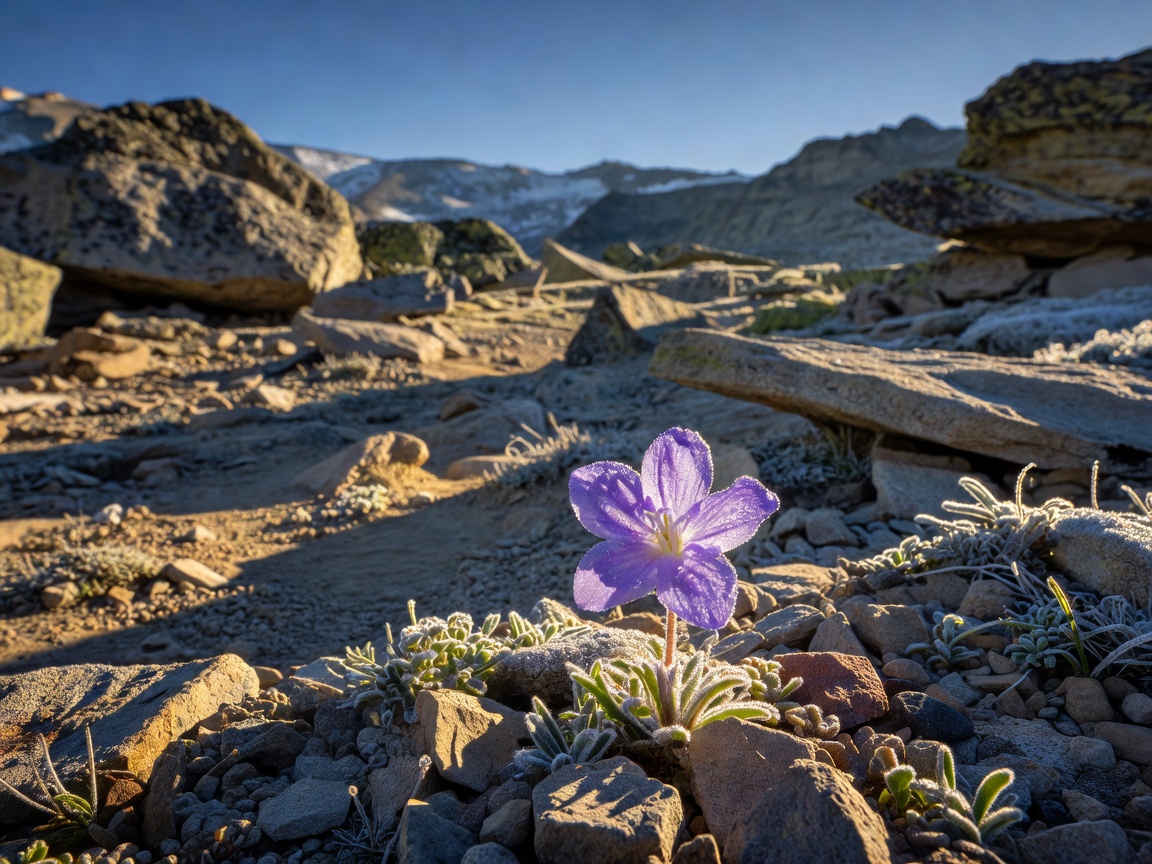
Discover how low stature, anthocyanins, and specialized taproots permit survival under ultraviolet bombardments.
Review Adaptations →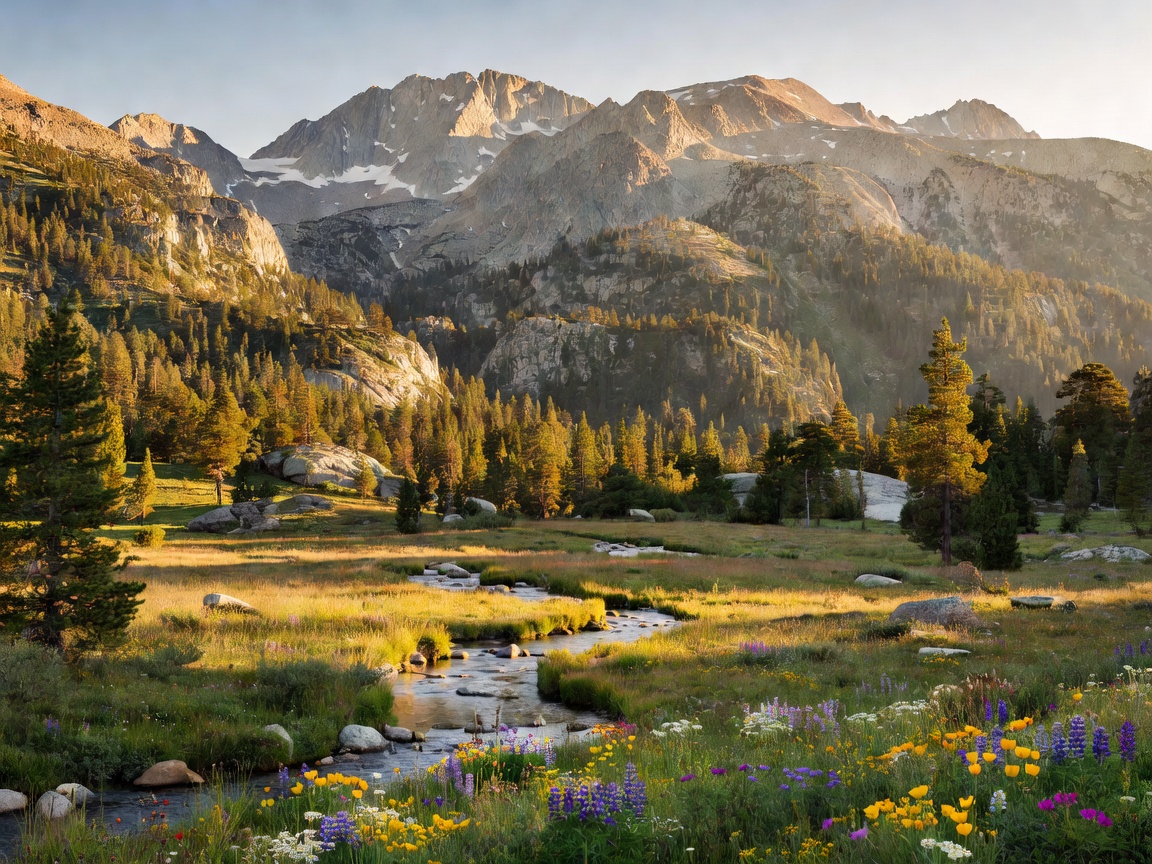
Read about strict protected zones, botanical sanctuary designations, and micro-reserve boundary mapping.
Review Conservation →