PLATE SEC-01
ANATOMICAL DIAGNOSTICS
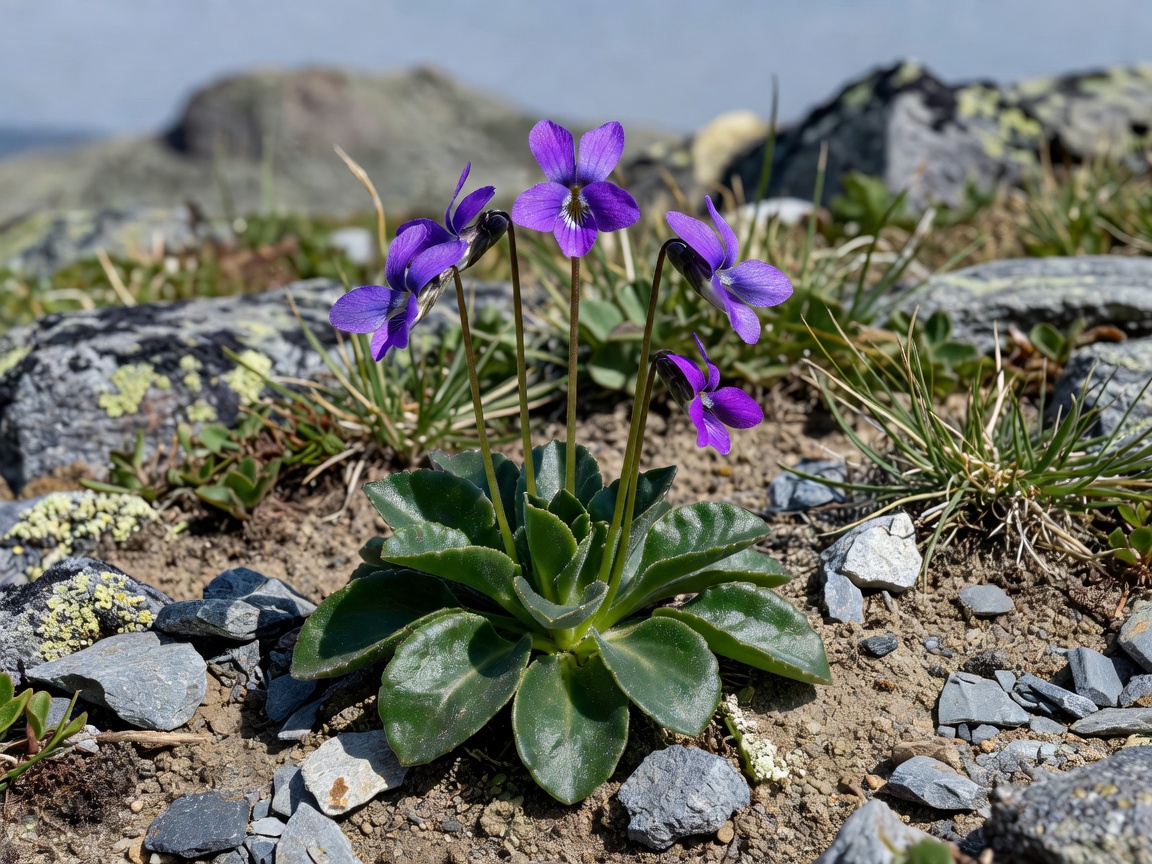
Species Identification Guide
Examine taxonomy vouchers, leaf succulent traits, and petal spur diagnostics.
Review Identification →As one of Europe's most geographically restricted alpine species, Viola crassiuscula faces modern pressures from climate-induced upward migration limits ("summit trap") and excessive trail trampling across the high peaks.
Because the highest point in the Sierra Nevada is Mulhacén at 3,479 meters, summit specialists have essentially no higher ground to colonize as mean summer isotherms ascend. Studies by the Sierra Nevada Global Change Observatory indicate a significant upward contraction of the lower edge of its range over the past three decades.
Additionally, historical ski resort expansions around Pico del Veleta and unregulated high-elevation trekking previously caused severe fragmentation of fragile scree banks. Foot traffic dislodges scree plates, severing the delicate root systems of dormant or flowering rosettes.
Furthermore, altered precipitation cycles have reduced the persistence of early summer snowfields (*neveros*), depriving root beds of vital meltwater during critical July seed-setting windows.
Designation of scree taluses as Zone A (Reserve Zone), strictly prohibiting motorized vehicles, ski infrastructure expansion, and off-path hiking.
Permanent 3x3 meter alpine quadrats monitored every 5 years under the Global Observation Research Initiative in Alpine Environments protocol to track population densities.
Over 80,000 seeds collected from across 12 distinct subpopulations are preserved in cryogenic storage at the Banco de Germoplasma Vegetal Andaluz in Córdoba and the Royal Botanical Garden of Madrid.
Low-impact trail ropes and botanical interpretive placards placed along the Veleta summit corridor educate mountaineers on avoiding unstable cascading screes.
Examine taxonomy vouchers, leaf succulent traits, and petal spur diagnostics.
Review Identification →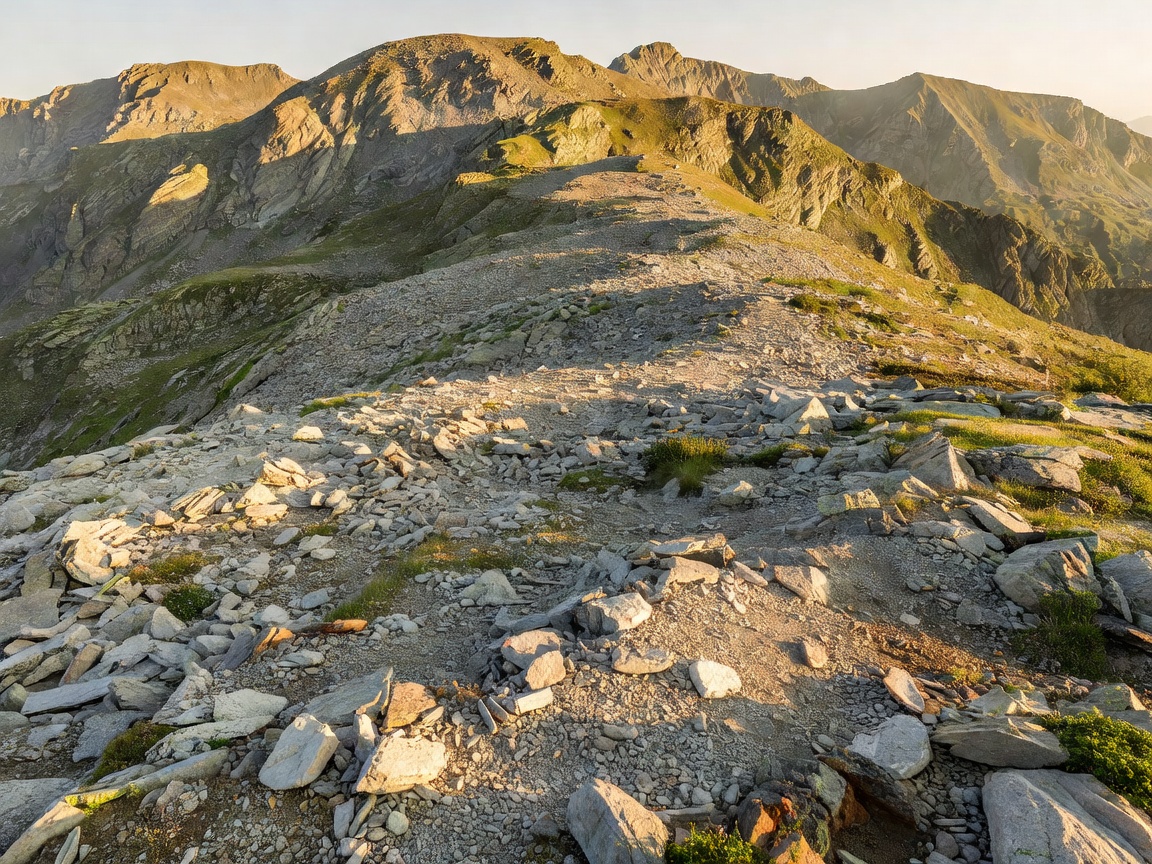
Inspect slope profiles, micaschist chemistry, and vertical elevation transects.
Review Habitat Folio →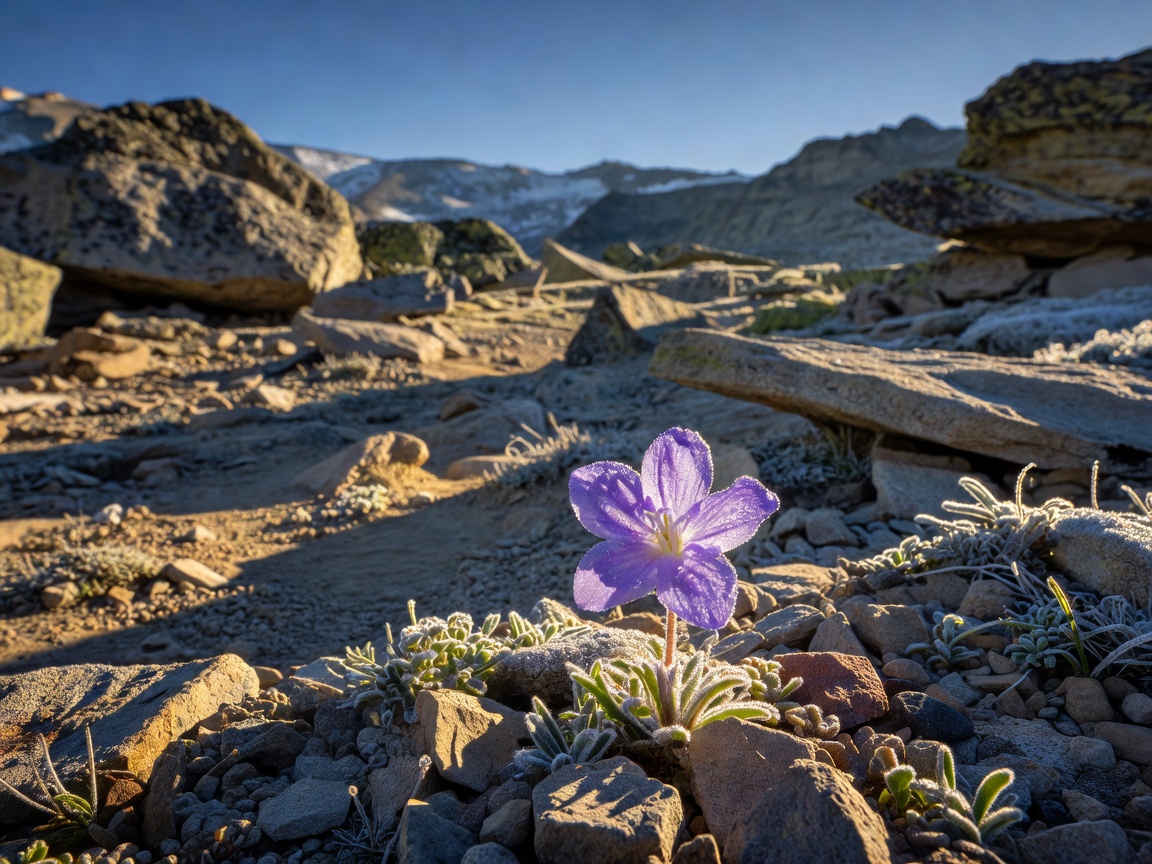
Read about rapid summer bloom windows, explosive ballistic seed dispersal, and winter cryo-protection.
Review Life Cycle →